 kbstrip
 History and Heritage
The Great Ocean Road, one of Australia’s most famous drives along Victoria’s south-eastern coast, is a natural beauty and historical monument. Built by World War I soldiers as a permanent memorial, it offers stunning views and honours their sacrifice.
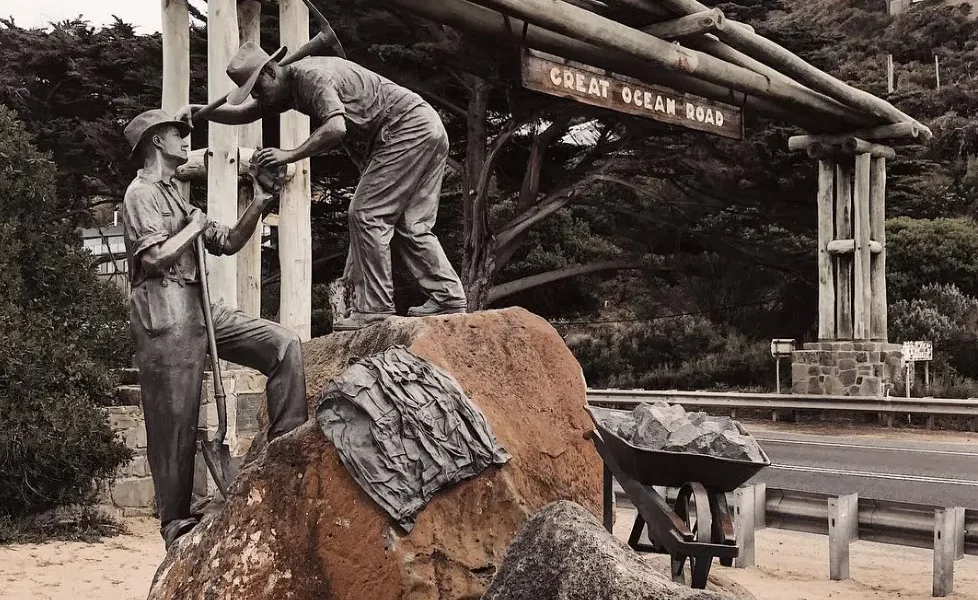
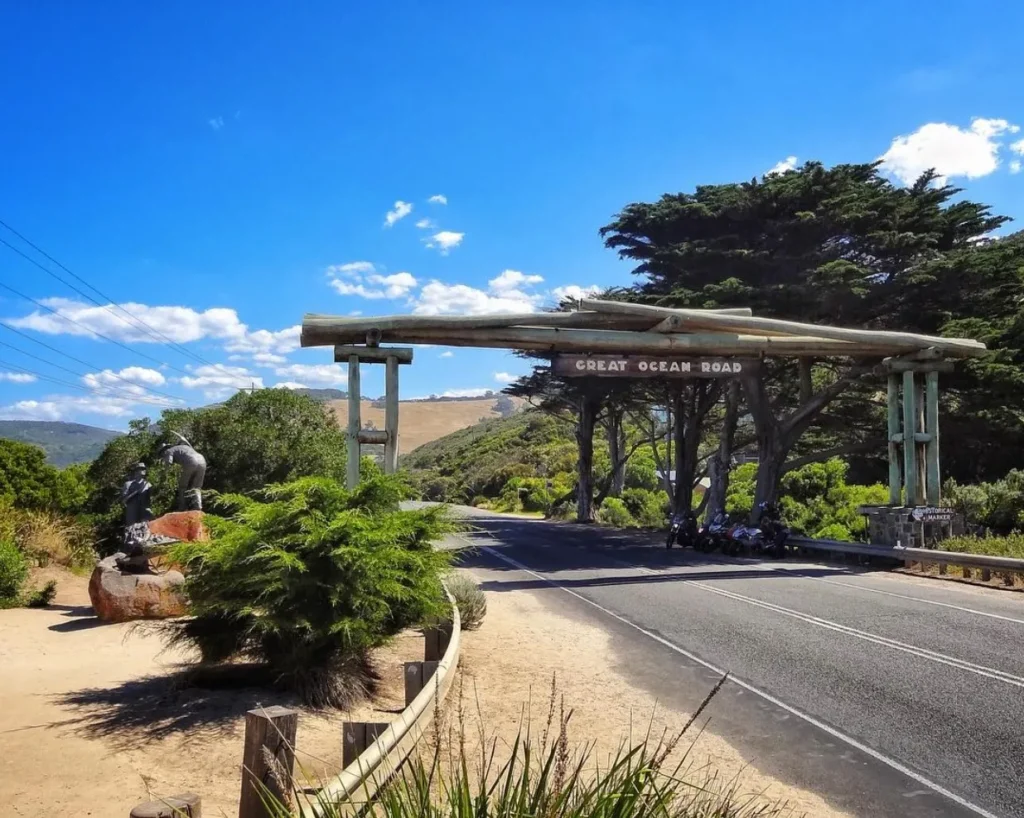
The Memorial Arch at the start, named after Howard Hitchcock, marks the beginning of this trip, the soldiers who carved the road through the rugged terrain.
Route
Starting in Torquay, the surfing capital and home of Bells Beach, the Great Ocean Road has scenic views and dramatic landscapes. As this scenic road winds along the coastal route, it passes through coastal communities and plenty of natural wonders. Stops include Anglesea, Aireys Inlet with the historic Split Point Lighthouse, and Cape Patton for panoramic vistas.
Apollo Bay
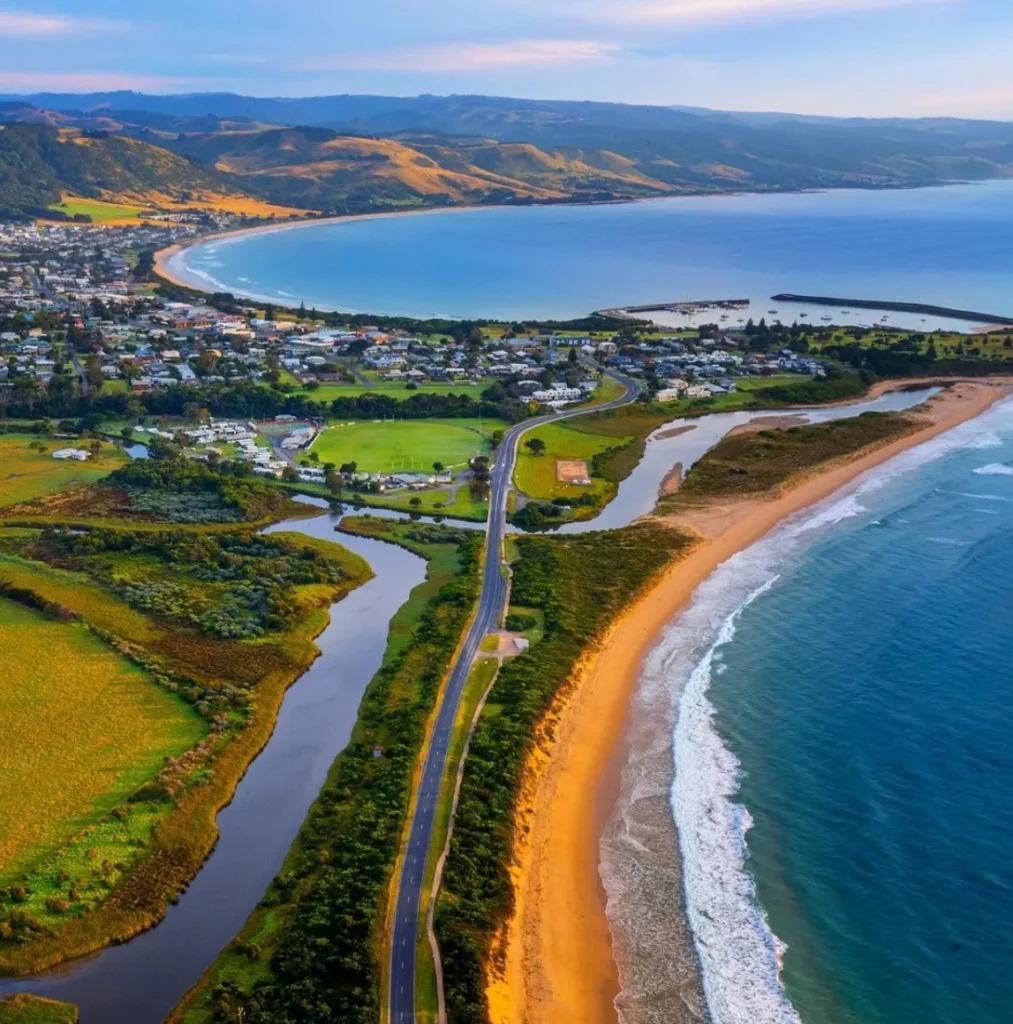
Apollo Bay is a delightful coastal town between the ocean and the Otway Ranges. Famous for its beaches and rainforests, Apollo Bay is relaxing and adventurous. The nearby Great Otway National Park has diverse flora, fauna, waterfalls, and walking tracks.
Otways

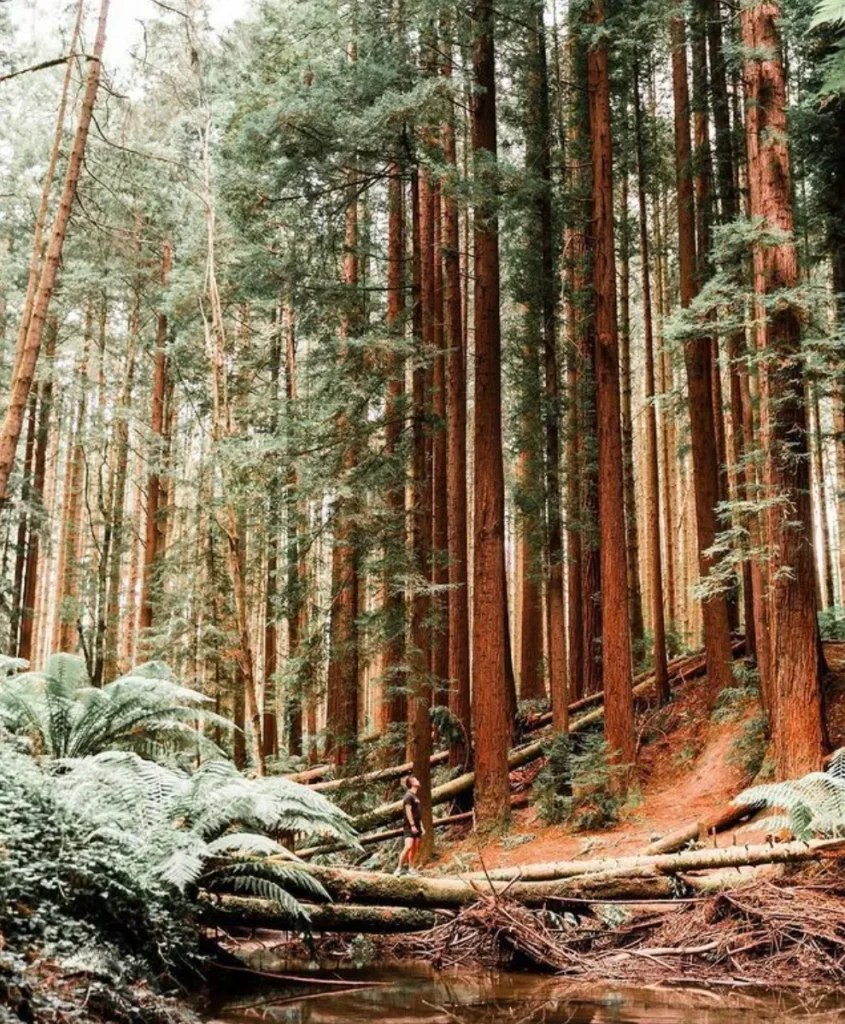
The Otways, part of Great Otway National Park, has ancient rainforests, waterfalls, and walking trails. The Otway Fly Treetop Walk offers magnificent views of the forest, and waterfalls like Erskine Falls and Hopetoun Falls are surrounded by beautiful forests. Historic lighthouses like Cape Otway Lightstation give insight into the area’s maritime history and shipwreck stories.

Largest War Memorial in Australia
The Great Ocean Road is Australia’s largest war memorial, built by returned soldiers to honour their mates who died in the war. The toll gate, where you pay to use the road, is a relic of the original purpose of the road. The memorial arch and the various plaques along the way are to the soldiers on roads who built and died for the road.

How the road was built
Building the Great Ocean Road was a big job, taking over 10 years from 1919 to complete. Returned soldiers were employed, using heavy machinery and hand tools to carve the road through the bush and rugged terrain. Their hard work and mateship resulted in an engineering marvel that opened up the coast to tourism and development.
Coastal Towns
The Great Ocean Road passes through several Victorian towns, each with its own character and attractions. These towns are ideal for relaxation, exploration, and cultural heritage experiences, making the trip even more enjoyable.
Anglesea – Beaches and chill. Anglesea is a family and outdoor lover’s paradise—surfing, swimming, and hiking in the Anglesea Heath.
Lorne – A buzzing seaside town, Lorne is known for its beaches, arts scene, and festivals, such as the Lorne Festival of Performing Arts. The main beach is great for swimming and sunbathing, and the nearby Erskine Falls is a peaceful escape into nature.
Wye River – A tiny coastal village between the ocean and the forest, Wye River is a haven for those who want to get away from it all. The village beaches and walking trails are perfect for nature lovers.
Port Campbell – Near the 12 Apostles, Port Campbell is a cute historic town that’s the gateway to some of the Great Ocean Road’s most famous landmarks. The rugged coastline and scenery are perfect for exploring and adventure.
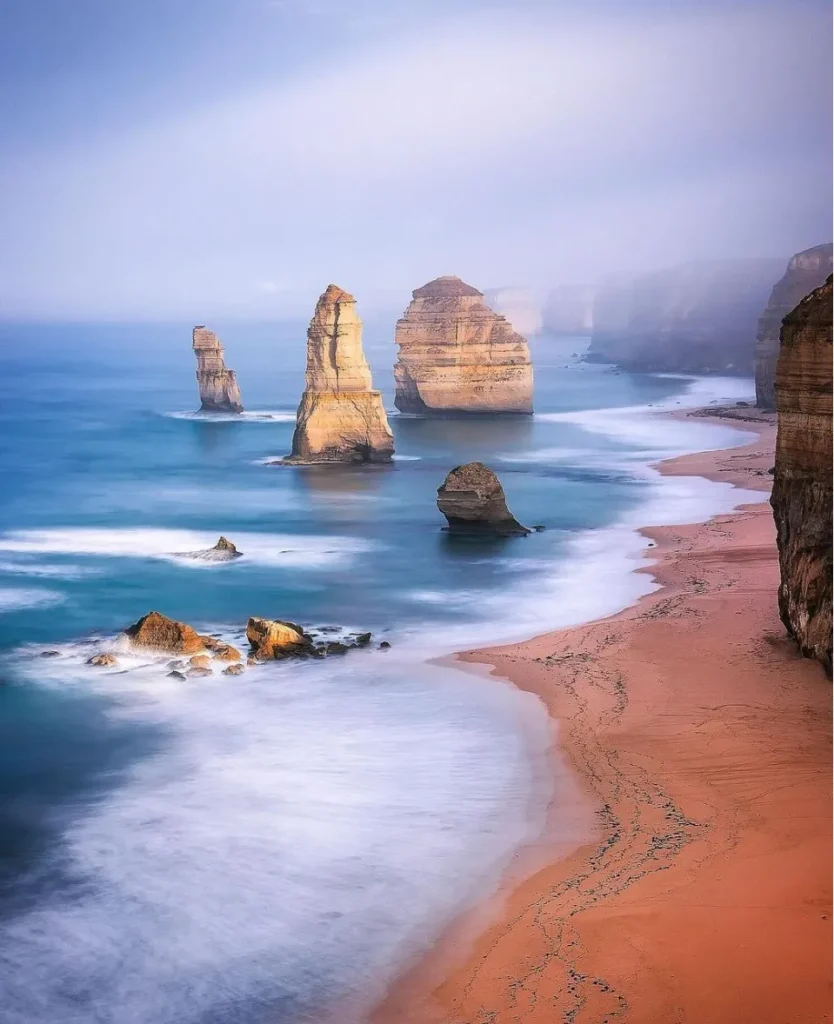
Table: Coastal Towns along the Great Ocean Road
| Town | Key Features | Activities |
|---|---|---|
| Anglesea | Beautiful beaches, relaxed atmosphere | Surfing, swimming, hiking |
| Lorne | Stunning beaches, vibrant arts scene | Swimming, sunbathing, arts festivals |
| Wye River | Secluded beaches, scenic walking trails | Nature walks, beach relaxation |
| Port Campbell | Rugged coastline, proximity to 12 Apostles | Exploration, sightseeing |
Aboriginal History of the Great Ocean Road Region
Before European settlement, the region was home to Aboriginal communities with a rich culture. The Great Ocean Road region is part of the traditional lands of the Gadubanud, Kirrae Whurrung, and Gunditjmara peoples. Efforts to preserve and promote Aboriginal culture include education programs, guided Great Ocean Road tours, and cultural events showcasing the area’s cultural heritage.
Australia in World War 1
Australia’s involvement in World War 1 had a big impact on Australian society. The construction of the Great Ocean Road gave returning soldiers work and a way to honour their fallen mates. The road is a lasting legacy of their service and sacrifice, a symbol of endurance and determination.
Before the Road
Before the Great Ocean Road, the region was largely inaccessible, with rough tracks and sea routes. The rocky coast and rough seas were notorious for historic shipwrecks. The Loch Ard shipwreck in 1878 near Loch Ard Gorge is a famous example of the dangers faced by early mariners. The road gave the region a safer and more reliable coastal route and opened it up to visitors.
Why it was Built
The Great Ocean Road was built to give returning soldiers work. The project was to open up the coastal region for tourism and economic development. The toll gate helped fund the maintenance of the road so it could be sustainable for future generations.
A Road to Remember
The Great Ocean Road is a journey through history, culture, and nature. Its stunning views, diverse attractions, and rich history make it a must-see for every visitor. Whether you’re exploring coastal towns, gazing at the 12 Apostles or reflecting on the history, the road is an experience you’ll never forget!
Conclusion
The Great Ocean Road is more than a scenic drive; it is a journey through history, culture, and natural beauty. From towering limestone cliffs and lush rainforests to poignant wartime memorials, this road offers a unique and unforgettable experience.
FAQs
When to visit Great Ocean Road?
The best time to visit is during the Australian spring (September to November) and autumn (March to May) when the weather is mild and quiet.
How long does it take to drive the whole Great Ocean Road?
2-3 days to drive the whole thing and stop at all the attractions along the way.
Are there tours?
Yes, many tours offer the full Great Ocean Road experience, including transport and commentary.
Can I camp on the Great Ocean Road?
Yes, there are many camping spots along the Great Ocean Road.
What are the top attractions?
12 Apostles, Great Otway National Park, Loch Ard Gorge, Apollo Bay, and Warrnambool.