 kbstrip
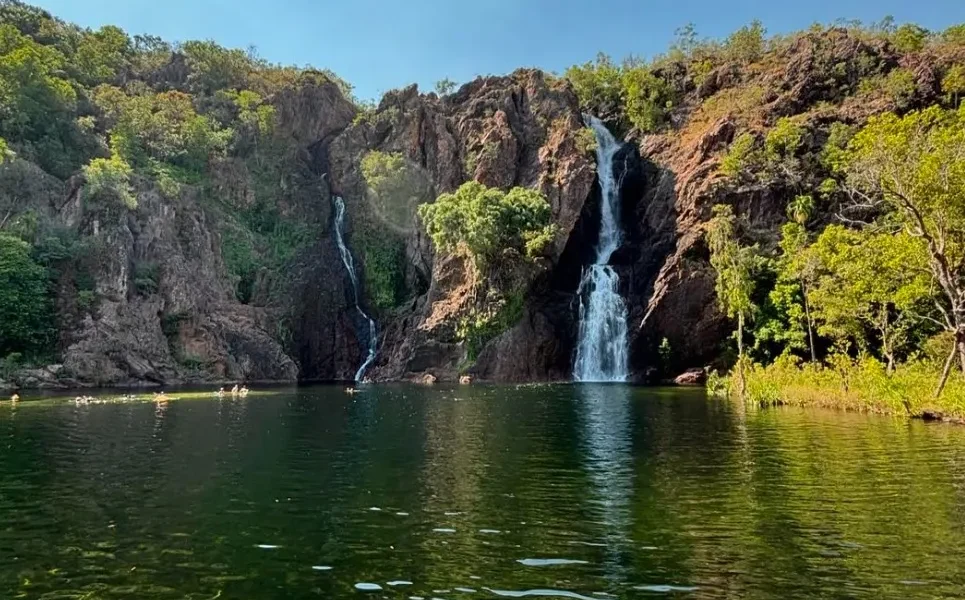
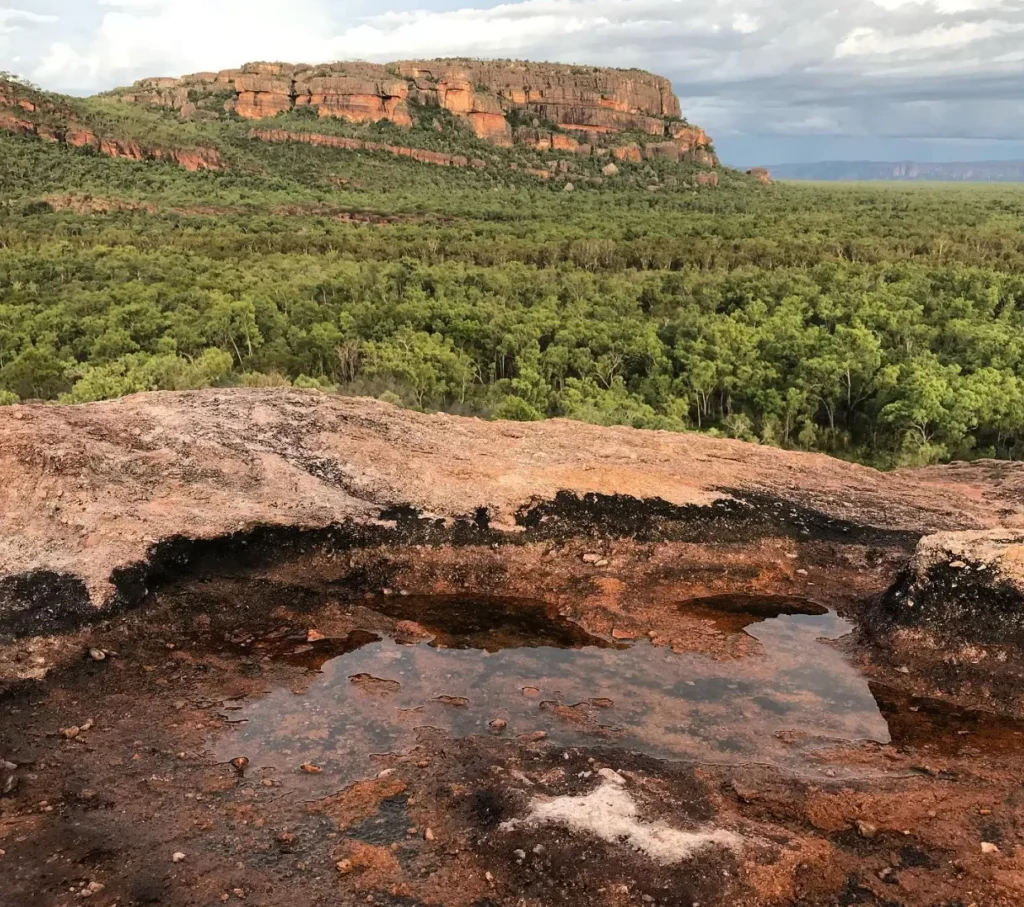
 Kakadu National Park, a place of mesmerizing natural beauty and deep cultural meaning, stands as a living testament to the rich heritage of its Aboriginal people that spans thousands of years. This magnificent reserve covers more than 20,000 square kilometers in the Northern Territory, comprised of various environments including tidal flats and floodplains through to rock-strewn areas. At the core of Kakadu National Park is its being remarkable for both its natural and cultural features; it has been preserved for many years under Parks Australia’s care and with traditional owners’ help.
The Cultural and Natural Tapestry of Kakadu
Kakadu is not only a national park but also a cultural landscape that has been painted over by stories and traditions from Indigenous Australians living here over the past 65000 years. Indigenous peoples like Bininj / Mungguy in the north or Anindilyakwa in its eastern parts hold strong ties to this land. It reflects those traditional owners who share this park management strategy with Australian government because they are committed towards sustaining the area’s exceptional cultural identity alongside an irreplaceable environment.
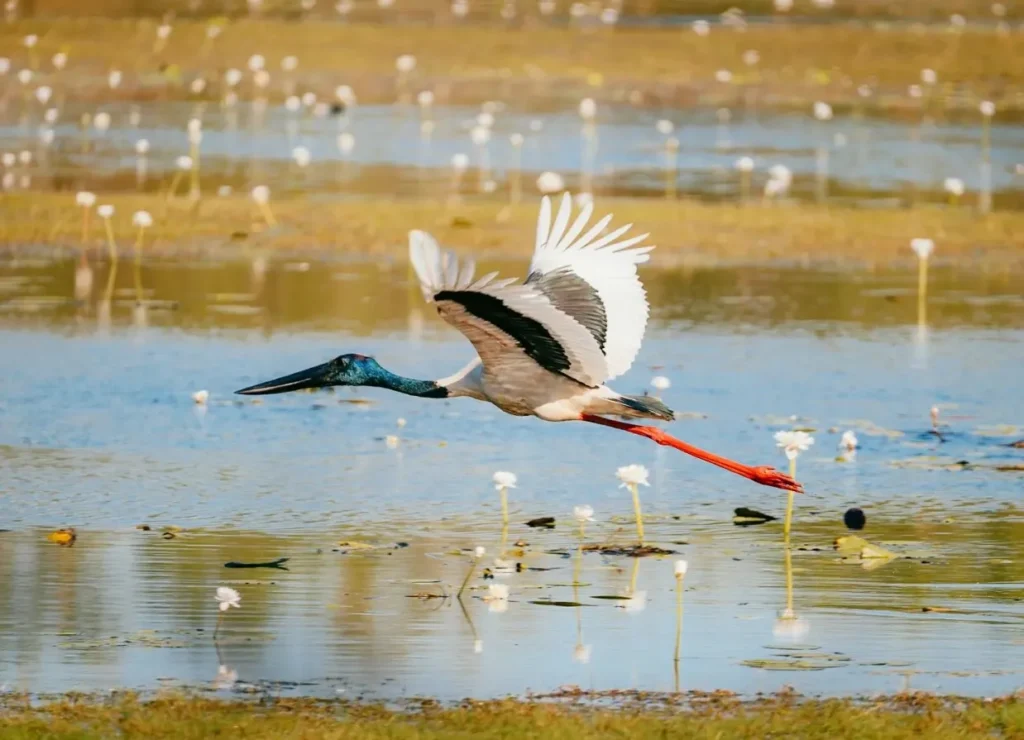
The park is divided into six main landforms each offering distinct natural values and cultural insights: stone country, monsoon forests, tidal flats, floodplains, billabongs, hills and basins. Such diversification supports not only abundant wildlife such as saltwater crocodiles along with unique birds’ species but also many archaeological sites that offer glimpses into their former inhabitants’ lives.
Archaeological Insights and Aboriginal Rock Art
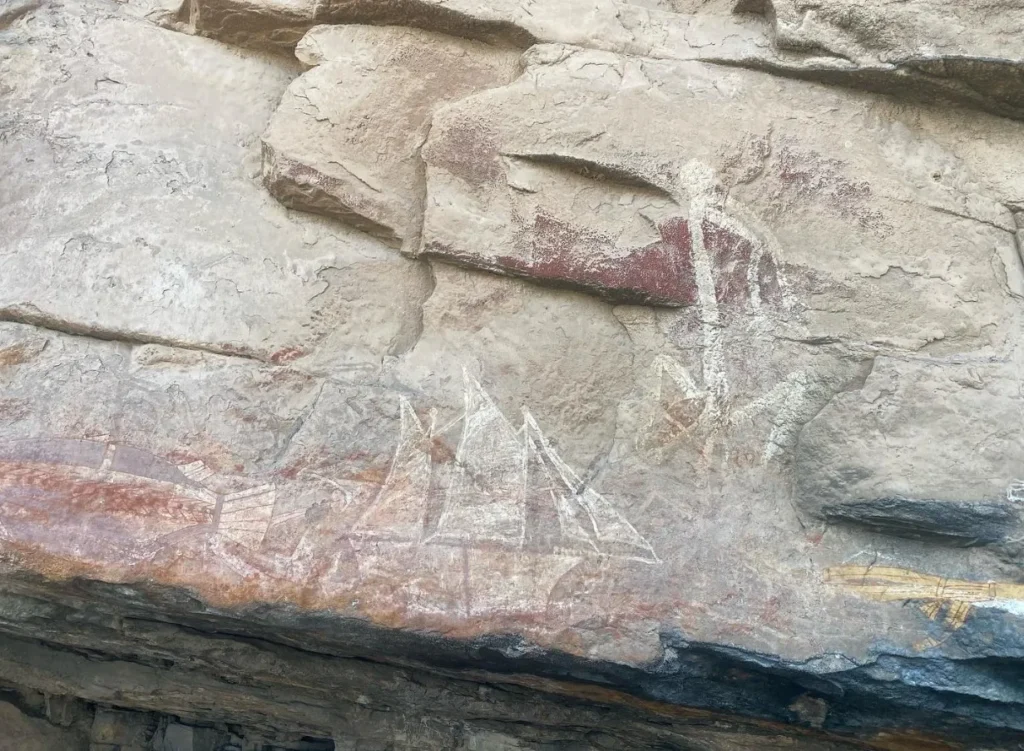
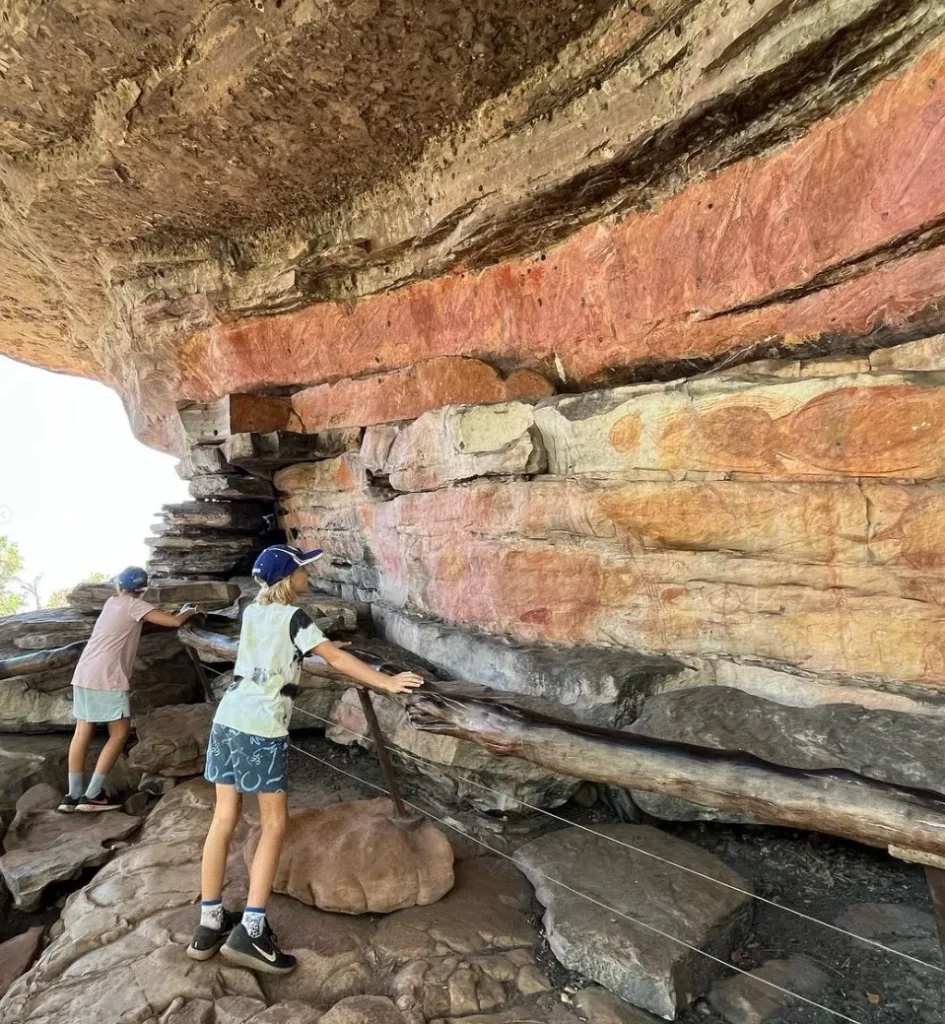
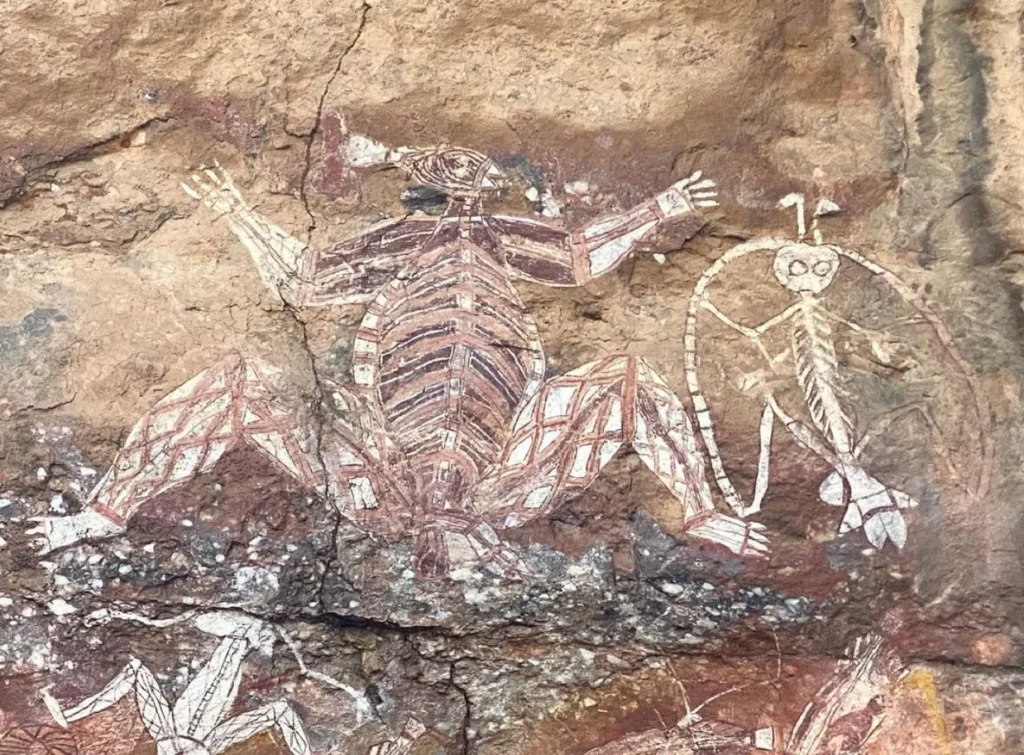
Amongst these stunning treasures include archaeological sites as well as extensive galleries of renowned Aboriginal rock art which are classified amongst some of the best examples in the world. These ancient stories are inscribed into landmarks such as Nourlangie Rock or Ubirr representing diverse aspects from everyday life to spiritual rituals; even indigenous flora plus fauna here can be found on these canvases. This art not only highlights Aboriginal people’s artistic accomplishments but also acts as a historical book containing knowledge about their spiritual bond with the earth.
The rock-art sites of Kakadu are a reflection of an intact landscape that has seen minimal disturbance since European settlement, allowing for rare unbroken historical record. Preserving these sites can offer more than just enlightening us about their cultural and historical importance; they also contribute to understanding Australia’s human history.
Environmental Management and Cultural Preservation
Kakadu’s management is built upon the integration of traditional Aboriginal knowledge with contemporary conservation science. With this model, ecological balance is maintained in the park while respecting and preserving its Aboriginal heritage. The Indigenous people’s traditional knowledge, particularly in terms of bushfire management and sustainable hunting, plays a significant role in maintaining Kakadu’s biodiversity reputation.
The Role of Traditional Owners
The traditional owners form an integral part of the park’s management. Their insights and deep-rooted connection to the land help guide everything from tourism to conservation efforts. Through this collaborative approach, it becomes possible for this site to remain as both a living cultural landscape and natural ecosystem where aboriginal traditions coexist harmoniously.

Challenges and Opportunities
Some challenges facing Kakadu include climate change, invasive species, and tourism impacts despite its remote location, protected state. These challenges present opportunities for innovative management strategies that could serve as models for global conservation initiatives too.
Flora and fauna management in relation to Indigenous people
Traditional ecological knowledge of its Indigenous peoples profoundly determines the way Kakadu’s diverse ecosystems are managed. This traditional knowledge helps maintain the park’s biodiversity, which ranges from high plant species count to abundant wildlife. For example, the Aboriginal technique of burning off fire is important for grassland maintenance as well as a means of controlling dry-season fires that frequent Northern Australia annually.

Ecological Practices by Indigenous People
- Controlled Burning: Used to avoid larger uncontrollable fires and inspire fresh vegetation that attracts animals.
- Seasonal Hunting Restrictions: Enforced in order to sustain species with both ecological and cultural significance.
These practices demonstrate the deep insight into their environment that Aboriginal communities have developed over thousands of years, living harmoniously with their lands.
Table: Major Aboriginal Sites and Their Cultural Importance
| Site Name | Cultural Significance |
|---|---|
| Ubirr | Extensive rock art galleries depicting ancient stories |
| Nourlangie Rock | Art and shelters that illustrate thousands of years of use |
| Anbangbang Billabong | Associated with Dreamtime stories and seasonal gatherings |
Each one of these three sites provides an exceptional glimpse into the spiritual as well as daily existence among the aboriginal population people within Kakadu, offering an invaluable understanding of their rich cultural inheritance and close association with the land.
Kakadu National Park – An Aboriginal Bridge Toward Multiculturalism
Direct experience of the wealth possessed by this great national park’s local aboriginal people is only possible via tourism. Tourists can participate in guided walks led by Indigenous rangers who will give them genuine insights into traditional customs and current ways of life. These tours, not being limited just traversing physical landscape or features in kakadu also explain its cultural importance showing how the land has shaped its own people over time.
The tourism industry at Kakadu facilitates learning and intercultural relationships, thereby making visitors more aware of the true essence of Aboriginals’ way of life. Furthermore, it also promotes economic gain among Indigenous groups by offering employment opportunities and encouraging sustainable utilization of their territories. As a result, these Kakadu tours are seen as playing a crucial role in both the continuity and preservation of aboriginal cultures by helping people continue with their traditional lifestyles within UNESCO World Heritage Site.
The merging of culture and nature is clear for those who visit Kakadu:
- Cultural Boat Cruises: Visitors on these cruises to billabongs or floodplains learn about Aboriginal use of water resources and how seasonal changes impact Aboriginal living patterns.
- Rock Art Tours: It shows the art works in details linking them to stories or traditions they represent; thus enabling individuals to have a deeper understanding about Aboriginal’s spirituality background as well as their historical past.
Conservation Efforts: Preserving Kakadu’s Heritage
The park management, together with traditional owners, places high priority on the conservation of Kakadu’s cultural landscapes. This encompasses not only physical sites but also intangible cultural heritage associated with them. In order to preserve the fragile equilibrium, efforts should be made towards curbing tourist impacts as well as combating invasive species.
Research and monitoring projects are ongoing in order to understand the effects of external pressures on Kakadu. These projects assist in the development of strategies aimed at mitigating negative impacts and promoting resilience of both natural and cultural landscape. By incorporating traditional Aboriginal knowledge with modern science, Kakadu is a classic example of holistic environmental management.
The Significance of Kakadu to Aboriginal Identity and Heritage
For the Aboriginal communities associated with it, Kakadu is more than just their homeland; it is a living memory that confirms their eternal link to their land. The stories, practices, and places within Kakadu define who they are and provide a platform for them to pass down their culture to the generations yet unborn. To keep intact this cultural fabric among numerous Indigenous communities calls for the preservation of these elements.
Aboriginal people’s land management practice has shaped its biodiversity across generations. Use of fire strategically or harvesting resources in sustainable manner demonstrates immense knowledge about and reverence for nature that contemporary conservation efforts aim at reproducing.
Kakadu National Park stands as an illuminating beacon towards heritage preservation coupled with natural aesthetics. Its management practices, which blend seamlessly between traditional indigenous knowledge bases and modern-day conservation approaches, are the best examples of cultural and environmental stewardship. As we go forward, a continued collaboration involving the park’s custodianship by traditional owners together with government agencies will be crucial in ensuring that Kakadu remains an environment where cultures thrive beside nature, inspiring not only Australians but also people elsewhere around the globe.
Indigenous Culture of Kakadu National Park: Frequently Asked Questions
What is the main purpose of blending traditional Aboriginal wisdom with contemporary conservational techniques within Kakadu?
To maintain ecological balance inside the park without disturbing its rich cultural heritage so that both can remain sustained for coming generations.
How do indigenous communities benefit from tourism in Kakadu?
Tourism brings economic gains, employment opportunities as well as interaction platforms allowing aboriginal groups to sustain themselves while sharing their cultural heritage with others.
What role do the traditional owners play in Kakadu National Park management?
Traditional owners are involved in all manner of activities within the park, from conservation efforts to guiding tourists around. It is their knowledge and cultural values that are part and parcel of these operations.
How does Kakadu protect its cultural sites?
Through legislation, careful management practices, and restricting access to sensitive areas where degradation may occur, culminating in loss of values such as integrity.
Why is Kakadu a World Heritage site?
The Kakadu area has been named a World Heritage site because of its exceptional natural and cultural values, which include diverse systems and rich aboriginal traditions that are outstandingly significant for humanity.