 kbstrip
 Laser tattoo removal is one of the most popular cosmetic medical procedures in Melbourne right now, but it still raises a few eyebrows (and questions). Whether you’re dealing with regret, a faded cosmetic tattoo or just want a clean slate, the decision to zap away tattoo ink isn’t something to be taken lightly. One question I get from clients who walk into my studio: “What’s the biggest concern with laser tattoo removal?” So let’s get real.
I’m Olha Po, a cosmetic tattoo specialist. After years of doing corrections and removals, I’ve seen the best and the worst of laser treatment. This is everything you need to know before booking a session. Because removing a tattoo should feel empowering, not like you’re rolling the dice on your skin safety.
The Real Risk: Skin Damage (and Why It Happens)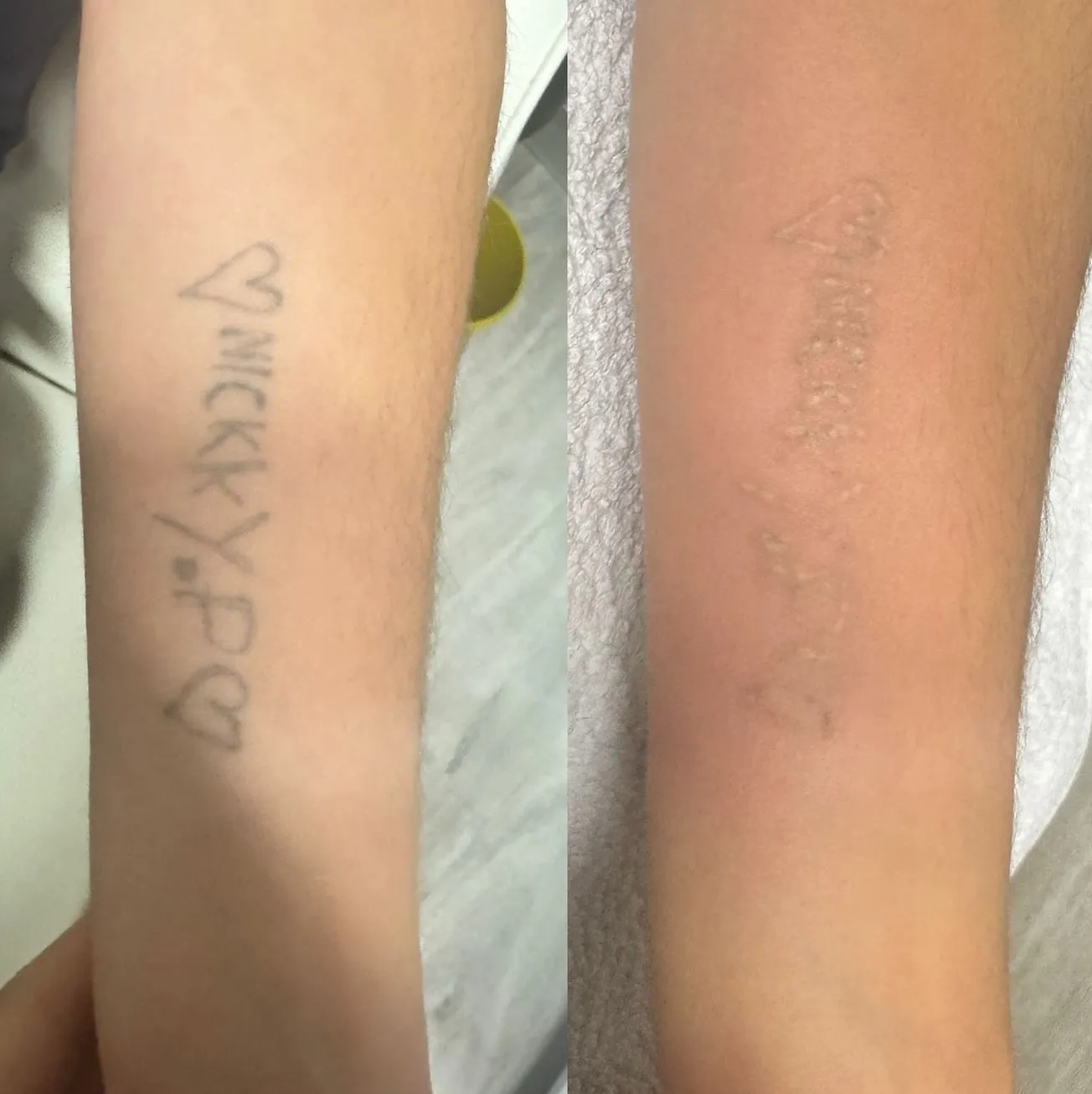
Laser tattoo removal isn’t just about fading ink – it’s about how your skin handles the process. The biggest concern? Permanent skin damage. That can show up as:
- Blistering or scarring
- Skin discolouration or changes in pigmentation
- Hypopigmentation (light spots)
- Hyperpigmentation (dark spots)
- Loss of natural skin tone
Why does this happen? The laser system works by targeting tattoo pigments and ink molecules with high-intensity laser light energy, breaking them up so your immune system can clear them out. But your skin isn’t just a blank canvas – it’s an active organ, and lasers can cause inflammation, disrupt collagen or stimulate too much melanin.
This is especially risky if:
- Your laser technician uses the wrong laser technology or settings
- Your skin is already compromised (eczema, active acne, sunburn, etc.)
- You’re prone to keloid scarring or have sensitive skin types
Case Insight: Fitzpatrick Skin Types
Darker skin tones (Fitzpatrick IV-VI) are more vulnerable to pigmentation changes due to higher melanin. In our Melbourne studio, we use FDA-approved technology like Q-switched Nd: YAG lasers and medical-grade lasers on these skin types to minimise risk, but not all clinics do.
Pain and Side Effects: It’s Not a Walk in the Park
Let’s be real – laser tattoo removal isn’t pain-free. Most clients compare it to hot elastic snaps or a burning sensation. And after the session? The treatment area can feel raw and swollen for days. Side effects:
- Redness and swelling (normal)
- Pinpoint bleeding (mild trauma)
- Temporary blistering or scabbing
- Itching or discomfort during healing
If your practitioner doesn’t give you clear post-treatment instructions, or you don’t follow them? That’s when side effects become complications.
Tip: We always tell our clients: “If you wouldn’t pick a healing pimple, don’t pick your tattoo removal scab.”
The Immune System Factor (And Why It Matters)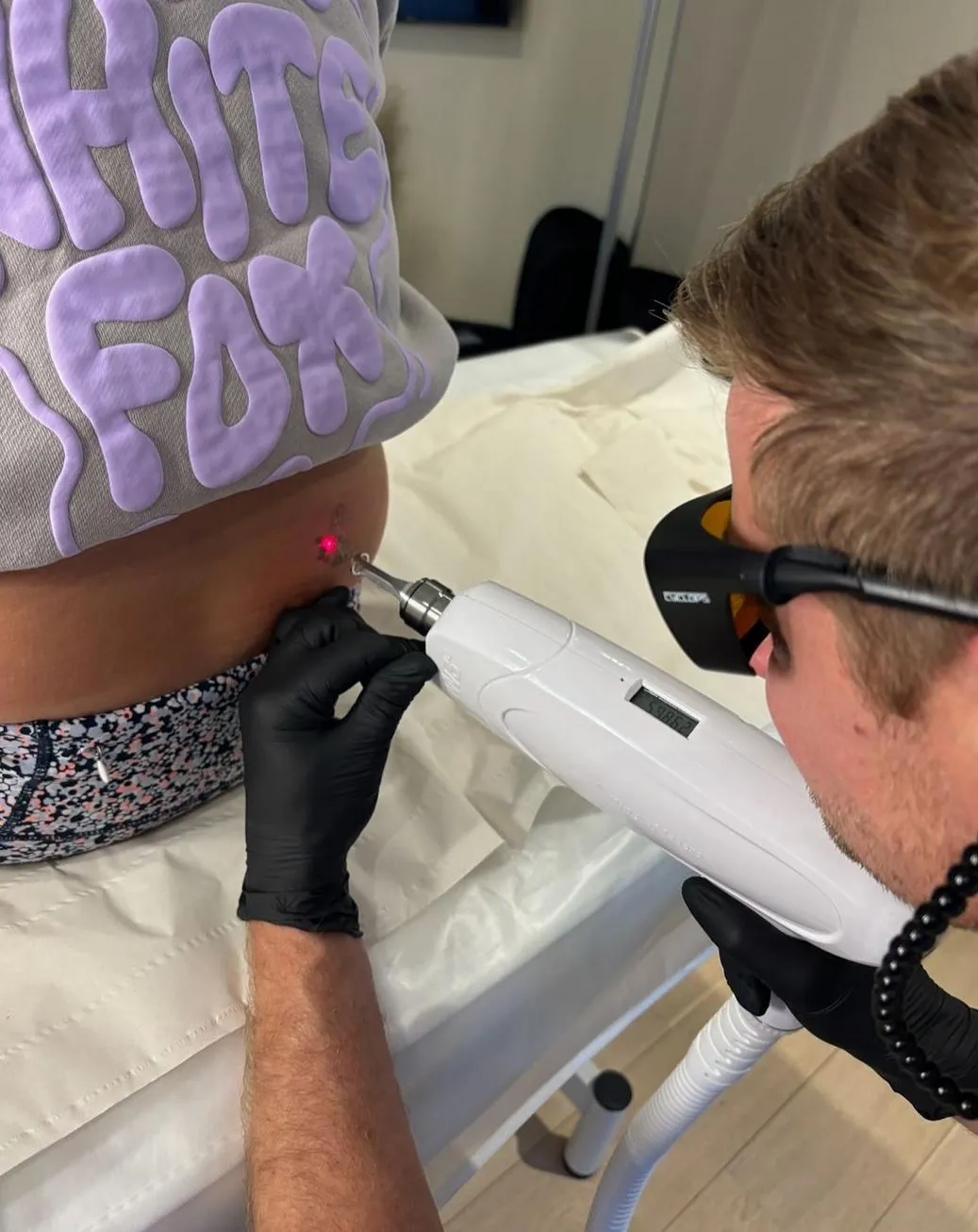
Here’s something not enough people talk about: your immune system does the heavy lifting. The laser breaks up the ink pigments, but it’s your lymphatic system and blood circulation that flush them out.
So, if you smoke, have a sluggish immune response, or have underlying autoimmune diseases? Expect slower fading and possibly more laser sessions. That’s not always bad, but it does mean:
- Longer treatment plan
- Higher cost over time
- More skin exposure to laser light energy
2025 Stat: On average, clients need 6–10 sessions to fade an average-sized black tattoo, depending on their skin tone, tattoo size, ink depth, and health profile.
Laser Type & Technician Skill: Not All Are Equal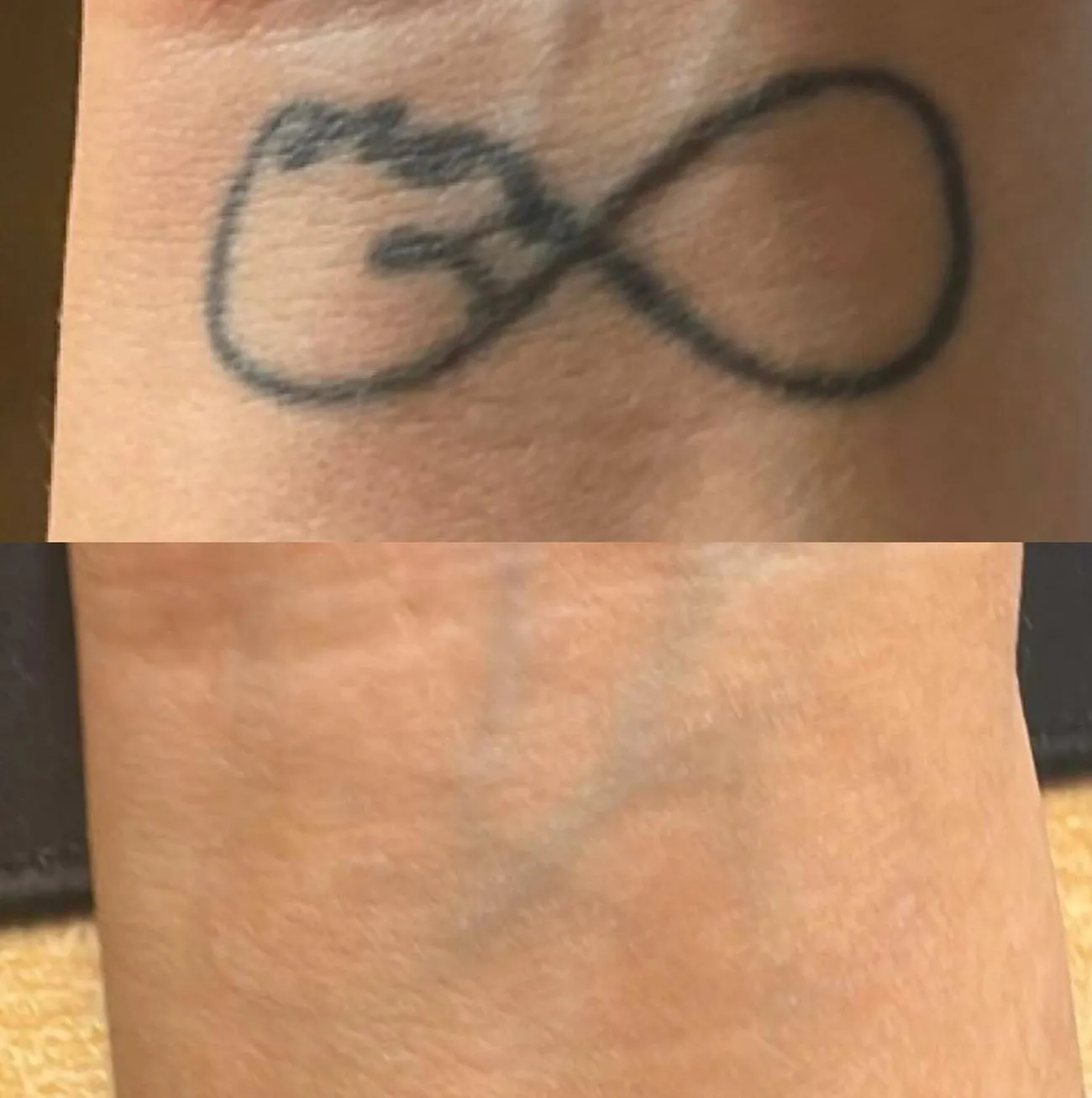
This one’s a biggie. The type of laser and the hand that wields it make all the difference.
Common tattoo removal laser systems:
- Q-switched Nd: YAG (best for black and dark tattoo pigments)
- Picosecond lasers (faster pulses, newer tech)
- Ruby lasers (good for multi-coloured tattoos like green/blue, but higher risk of scarring)
If a clinic’s using outdated tech or your technician isn’t trained in pigment response, depth mapping, or different skin types? That’s when burns and patchy removal can happen.
Cost, Time & Realistic Results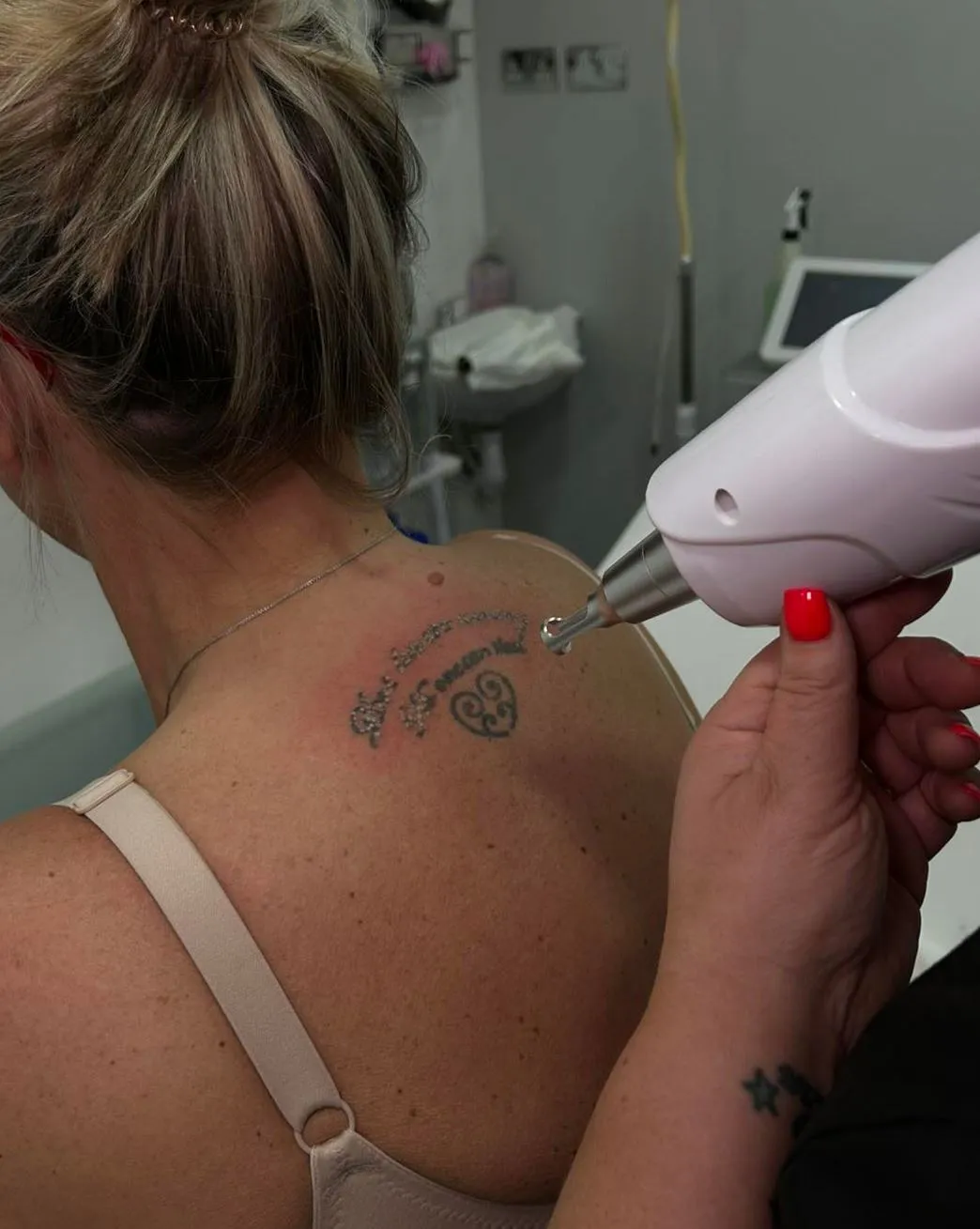
Here’s where expectation vs. reality comes in. Tattoo removal is rarely a “one-and-done” situation.
What influences cost?
- Tattoo size and colour
- Number of sessions required
- Studio location (Melbourne metro prices average $150–$300 per session)
- Technician experience
Also consider:
- Time off for healing
- Aftercare products (think soothing balms, SPF, silicone gels)
- Emotional fatigue from long-term medical treatments
Before & After: What’s Realistic?
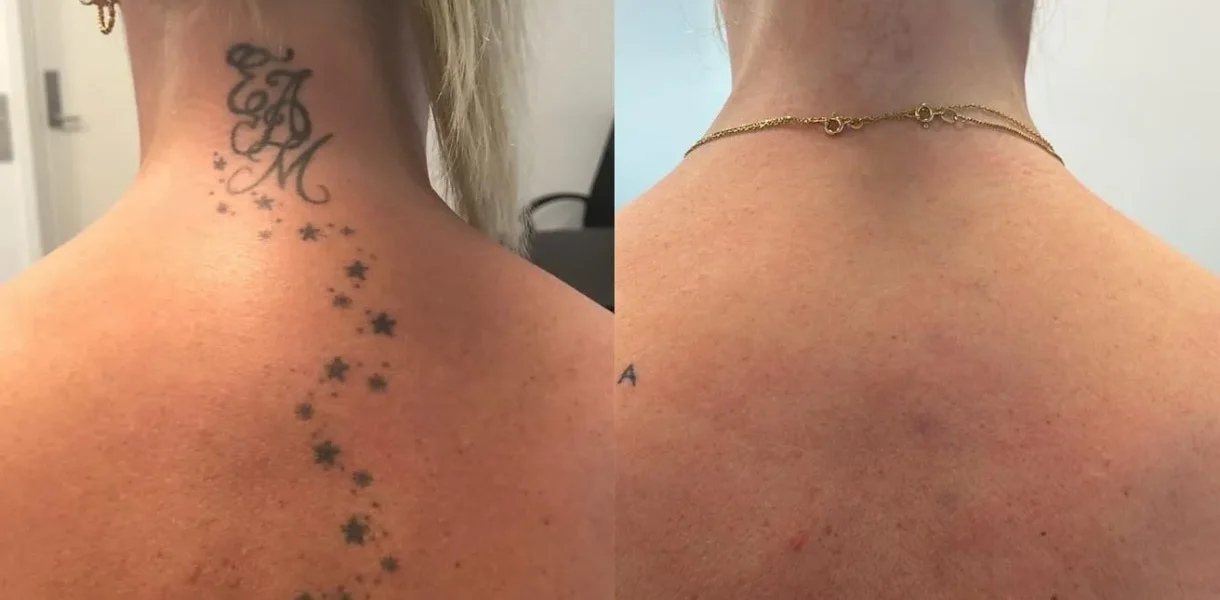
Don’t expect your skin to look exactly as it did pre-tattoo. Some ghosting, texture change, or residual tattoo ink is common, especially with deep ink or organic colourants.
Tattoo Type Matters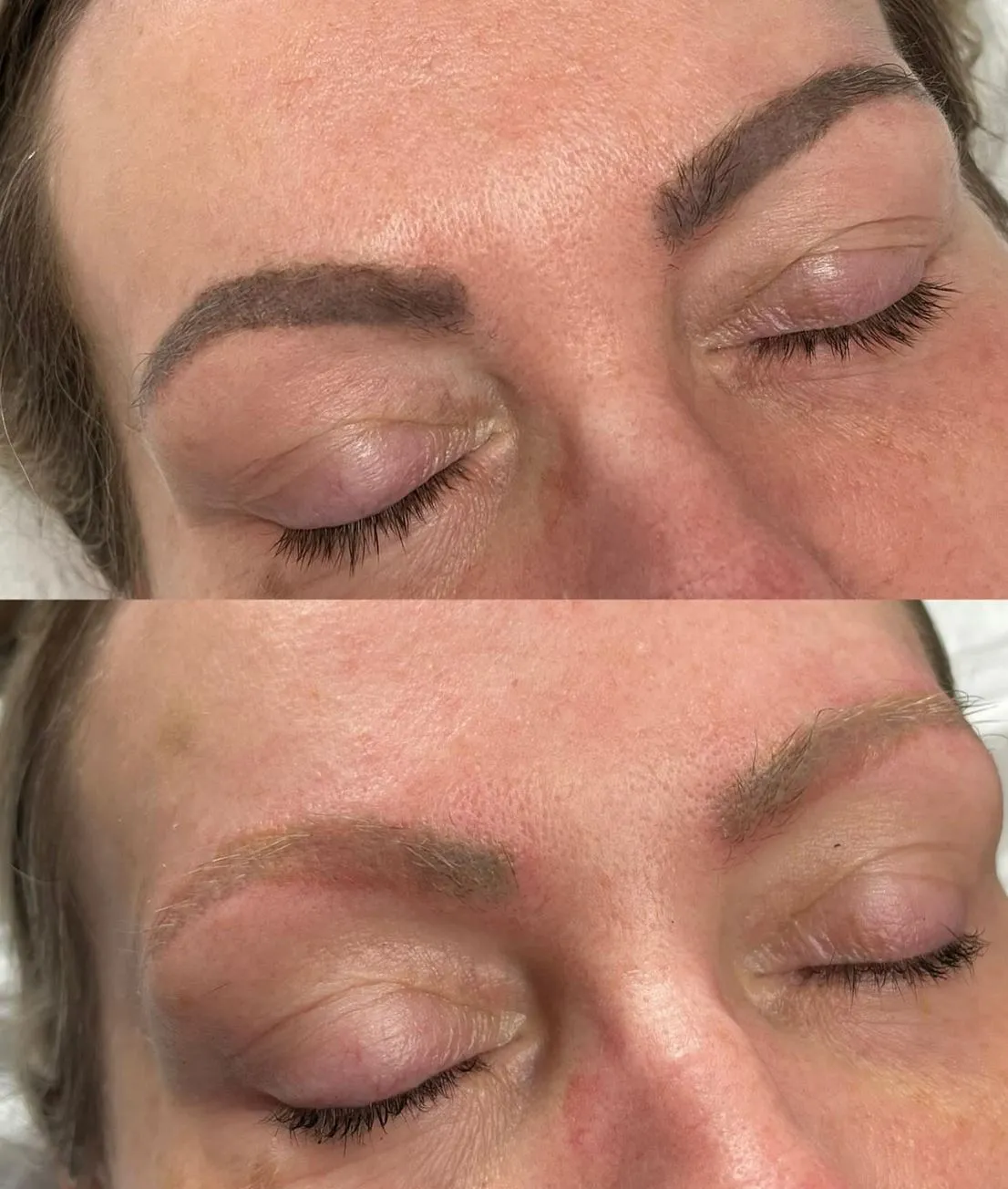
Cosmetic Tattoos:
- Use lighter, more complex pigments
- Often includes titanium dioxide (reflects laser light)
- Can oxidise and darken before lightning
We see this a lot with old brow tattoos. If you’re removing a cosmetic tattoo, especially from the face, always go to a technician experienced in cosmetic tattoo pigment behaviour and tattoo needles.
Body Tattoos:
- Easier to remove black/grey ink
- Bright colours (red, green, yellow) can be stubborn
- Location affects blood circulation and healing (e.g. ankles heal more slowly than arms)
Your Aftercare is Key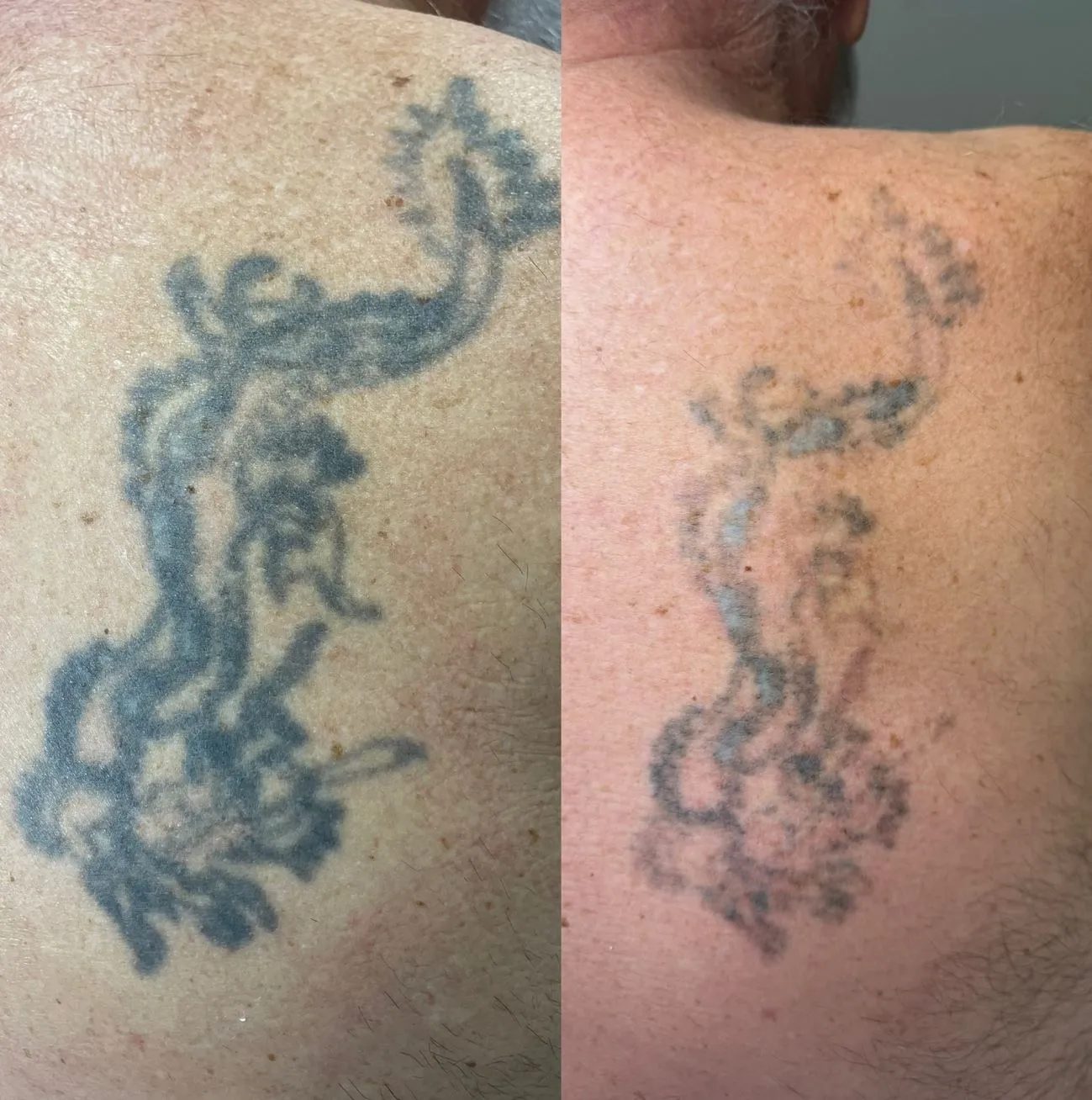
You could have the best tech and the best laser technician in Melbourne, but if you don’t take care of your skin after the session? You’re screwed.
Post-Treatment Care:
- No sun (SPF 50+ daily)
- Keep the area clean and dry
- No picking or scratching
- No intense cardio or sweating for 24-72 hrs
- Apply ointment or healing gel as advised
Our Studio Protocol:
We give every client a printed post-treatment care sheet and a follow-up call a few days later. Healing support = better outcomes.
Table: Common Problems & How to Fix Them
| Concern | Cause | What to Do |
|---|---|---|
| Blistering or Scabbing | Heat trauma from laser light | Keep clean, don’t pick, and apply prescribed ointment |
| Pigment Darkening (esp. brows) | Titanium dioxide oxidising | Allow it to fade slowly or reassess with a colour correction |
| Uneven Fading | Ink depth variation, poor immune response | Extend the treatment plan, support with lymphatic drainage |
| Hyperpigmentation | Post-laser inflammation, sun exposure | Use SPF, consider brightening treatments |
| Hypopigmentation | Melanin disruption, especially on dark skin | Avoid aggressive lasers, and consult a skilled technician |
FAQ
Is laser tattoo removal safe for all skin tones?
Yes, but darker skin types need specific laser technology like Nd: YAG and a technician who understands melanin response.
How many sessions will I need?
Most tattoos require 6–10 laser sessions, 6–8 weeks apart. Cosmetic tattoos may need fewer but more targeted sessions.
Can you remove eyebrow tattoos with a laser?
Yes, but they may darken before fading. Always work with a cosmetic tattoo specialist who knows facial pigment and organic colourant behaviour.
Does laser tattoo removal leave scars?
Not usually, if done correctly with cooling technology and proper post-treatment care. Scarring is rare but can occur with improper technique or poor healing.
What should I avoid after laser tattoo removal?
Sun, heat, cardio workouts, picking, and any skincare with acids or active ingredients on the treatment area. Follow your post-treatment instructions to the letter.